Welcome! Please feel free to subscribe to the newsletter to get studio updates and projects from the archives straight to your inbox.
Snowbirding
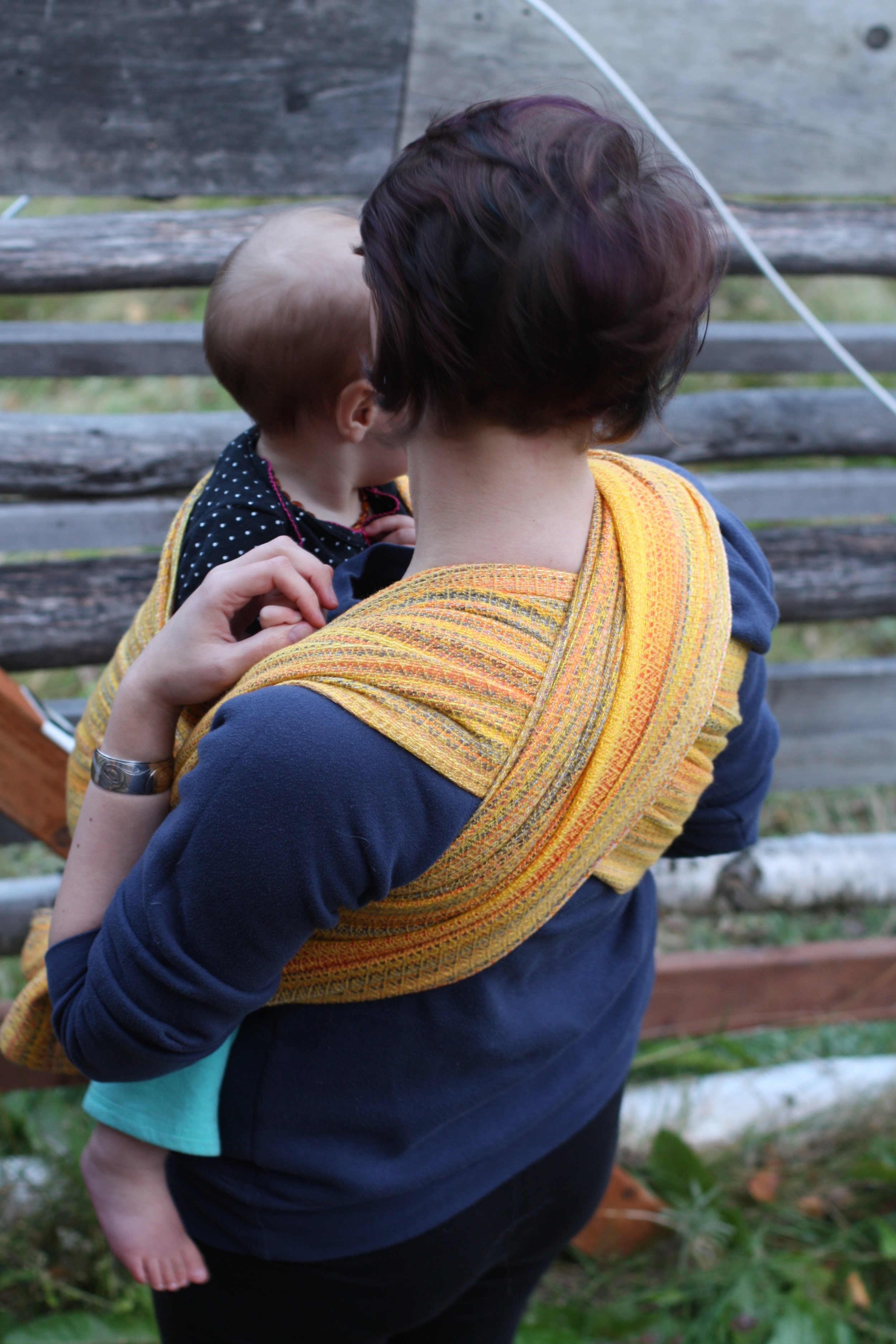
Snowbirding was initially part of a weaver challenge wherein two weavers go head-to-head designing off of the same inspiration. My dear friend Brianna over at Moth and Moon Fibreworks and I were paired with an image of a tropical beach at sunset.
Neither of us met the deadline and both ended up producing distinctly autumnal warps. After dyeing the yarn, I became inspired by the birch leaves just starting to go yellow in lace patterns in the forest canopy, the crampbark hinting at crimson, and the delightful earthy smell of boreal autumn taking over the woods in September. The geese and cranes both gather for their annual migration away from the cold and the snow that will settle over this land I call home.
It is a common thing in Alaska to flee the winters: Retirees, those with the abundance of luxurious means, those with light pockets and lighter bags who want the freedom of wandering. They seek the sun. We call them Snowbirds. They snowbird (it is a verb as well as a noun). They return for the glory that is an Alaskan summer, called by the majesty of this land and the magic it conjures in even the most mundane soul. And in the winter they go south.
My inlaws are both retired now and in the sunset of their lives, and the last few winters they have made their home in Hawaii. Their apartment opens onto a lanaii with a shared pool and a garden in which my father in law tends coconuts, mangoes, papaya, loofah (like the sponges!), hibiscus, angel trumpets and more. The view is clear to the ocean and the horizon beyond. As I contemplated the inspiration picture my mind kept circling back to sitting on the garden steps next to their lanaii, to watching the sun slip gloriously over the horizon, to the warmth of the night air and the smell of tropical flowers that met us in December when we visited last.

The first baby wrap piece off of this warp featured a butter soft buttery yellow merino weft. Three of the four wrap pieces of this design found homes in Alaska, which absolutely warms my heart.

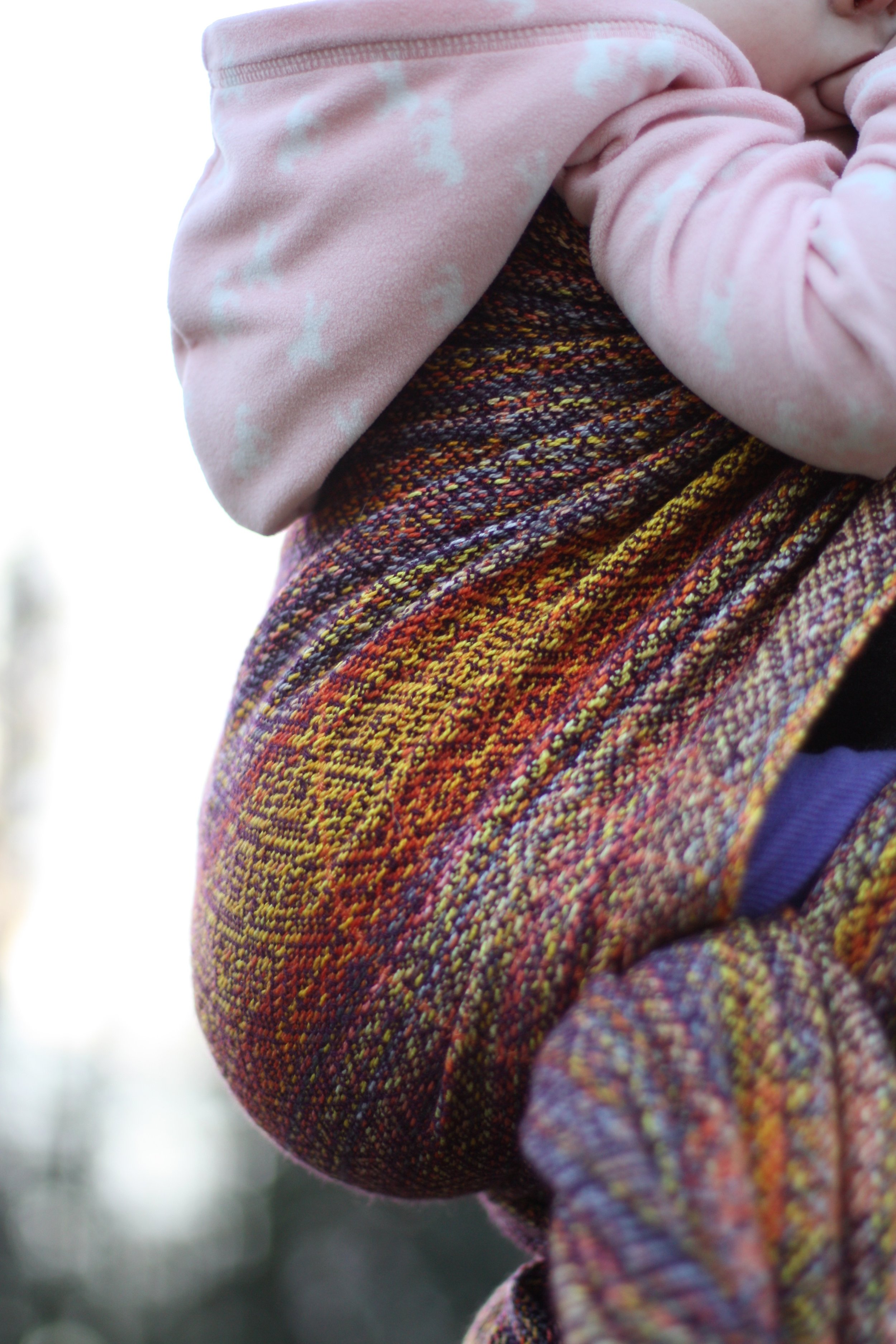
My jewel-tone loving heart simply adored working with the deep purple eggplant weft on this piece. This piece was a semi-custom; the mama with whom it eventually found a home was able to choose weft color, weave pattern, and length. She was inspired by the monarch butterfly symbolizing new beginnings and its annual migration. She chose to add random weft stripe accents in orange to add to the visual interest and really highlight this homage.


This shorty is the only wrap piece that lives "Outside" (as we Alaskans call the Lower 49 contiguous states of the USA). The delicate pink of the skinny bamboo viscose weft brings out the tones of the horizon at dawn. I'm continually entranced by the way that the weft shifts the overall feel of the piece.

This ring sling piece ended up staying local to me, going to live with a mama just one town over. It was woven with a natty Egyptian cotton weft. This slightly thicker weft lent a smooshy floppy thickness that is ideal for cush and support in a one shouldered ring sling.

I was able to really play around with wefts, weaving off a number of cowls and circle scarves as well as this baby blanket, backed with quilting fabric with a tropical motif. Below, you see a skinny blue mercerized cotton weft, a hand dyed mercerized cotton weft in pinks and golds, and a cream/natural wool knitting yarn.
(P.S. They are currently listed for sale in the shop! )


Natural Dye Experiments


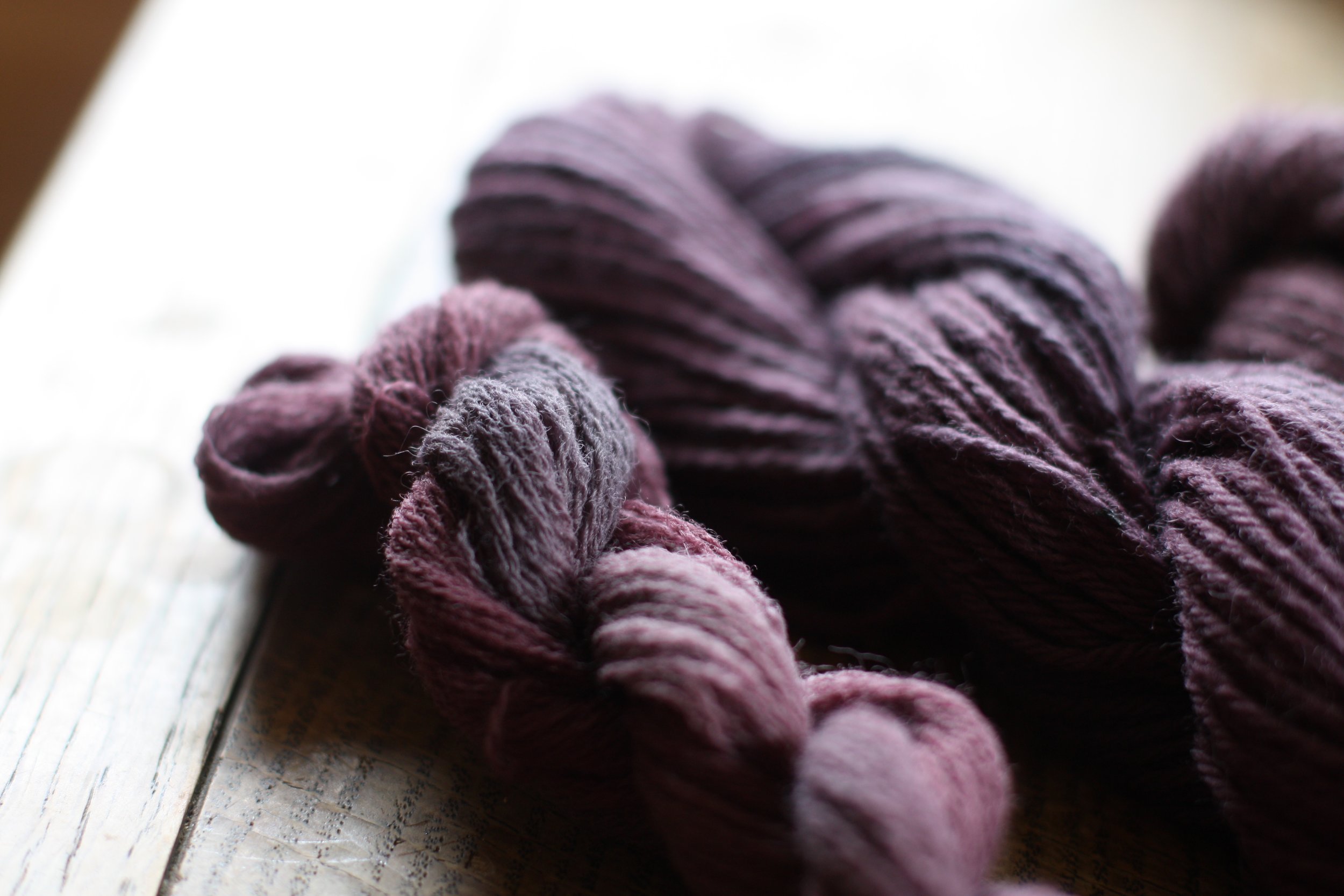

Every year, my local weaving guild plants and tends and harvests a dye garden at the University's botanical gardens. Every year at the end of the summer, the guild hosts a dye day from the plants they've grown. For one reason or another I've never made it to the dye day, though I've put in some hours weeding the garden from time to time.
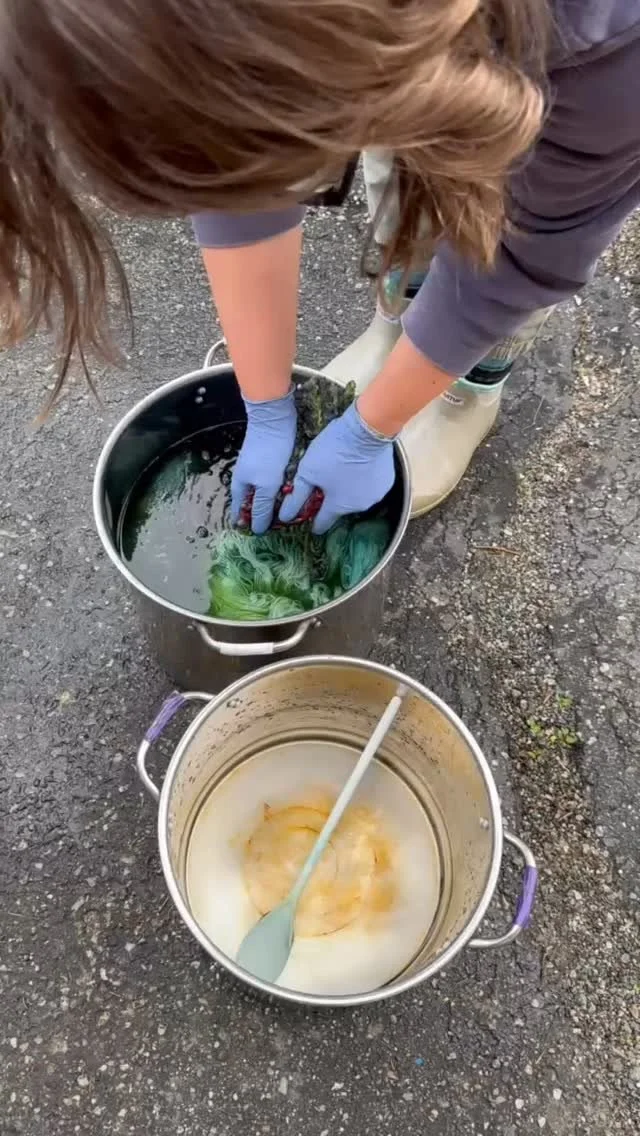
This year, I made it as far as mordanting* the wool to dye, and when life intervened and I missed the event, I was left with nearly two pounds of mordanted wool on my hands. What to do? Why, go to the woods of course!
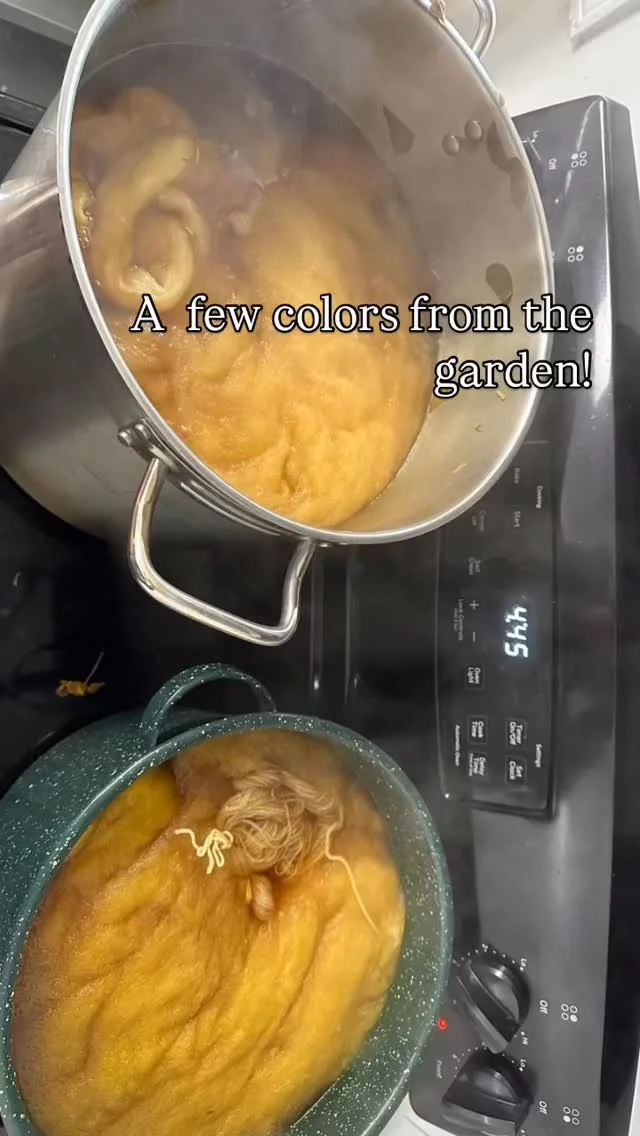
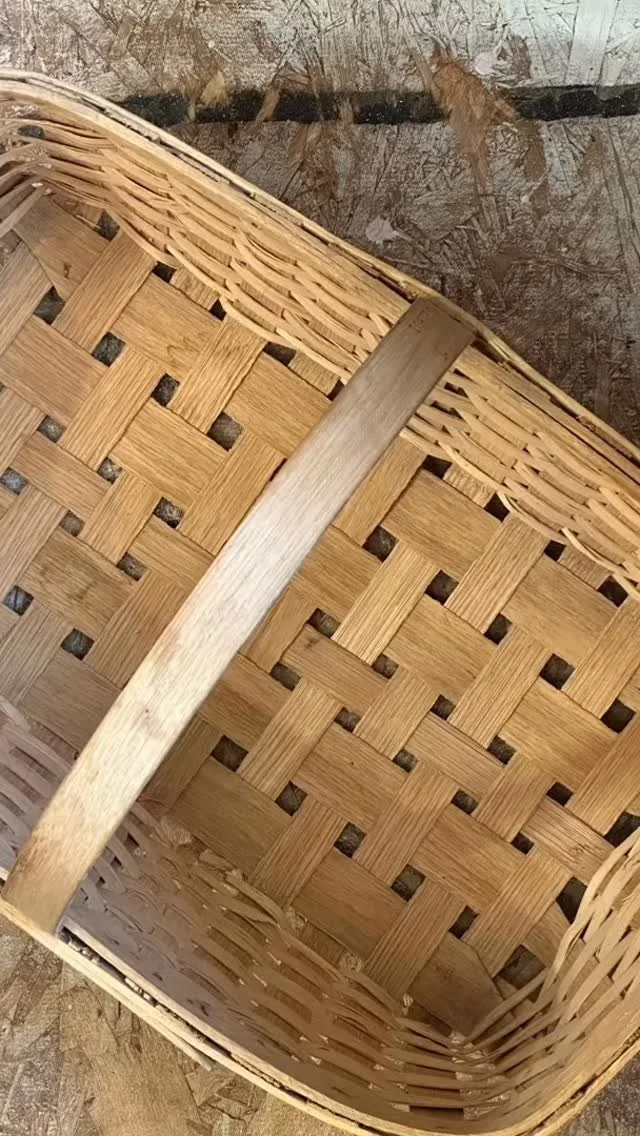
I wrapped my berry pie baby up on my back and she reached over my shoulder as I harvested a pot full of rosehips, another of alder cones and leaves, another of yarrow. We pulled chaga** from the cupboard - I never do seem to make tea out of it as I intend to - and put that to boil as well. My husband brought home some chokecherries from a red barked Canadian chokecherry tree that grows on campus.
As I simmered the plants and then simmered the wool in their dyebaths, first my kitchen and then my whole house began to smell delightfully of the woods. It was a few-day process of stirring, soaking, simmering, and cooling the wool during which I thoroughly felt myself inhabiting the archetype of the witch in the woods. I loved every minute of it.
The rosehips yielded the most delicate neutral with a hint of rose gold. The alder gave me a lovely beige, the chaga a deep antique gold. And the chokecherry gifted me with the loveliest purple I have ever seen!
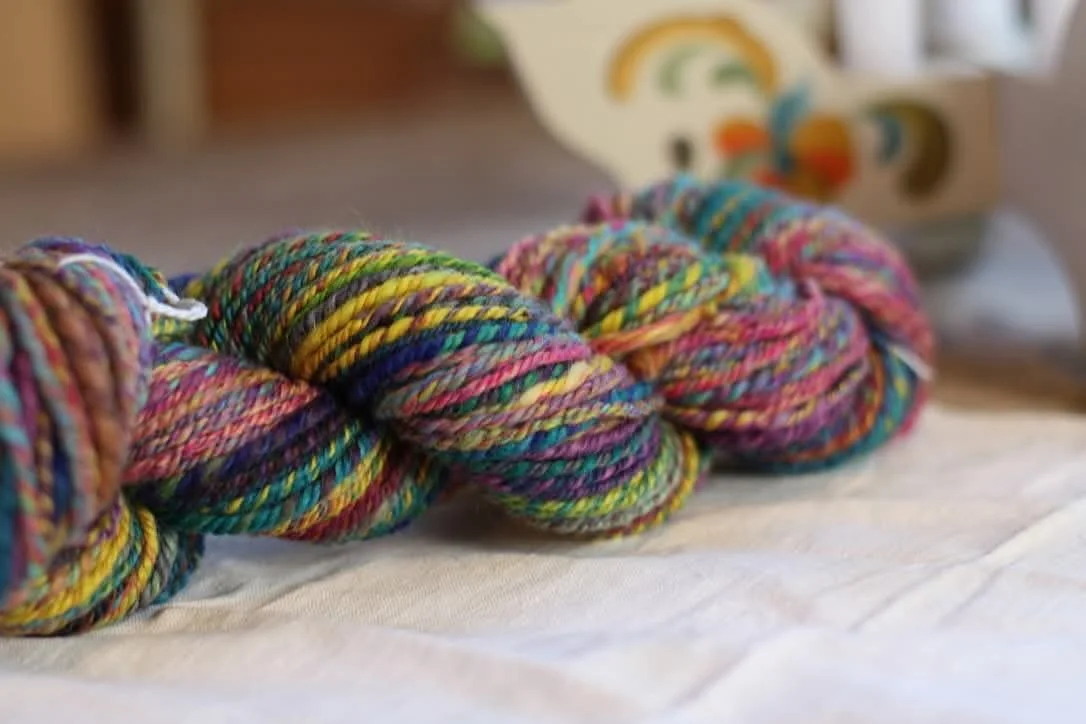
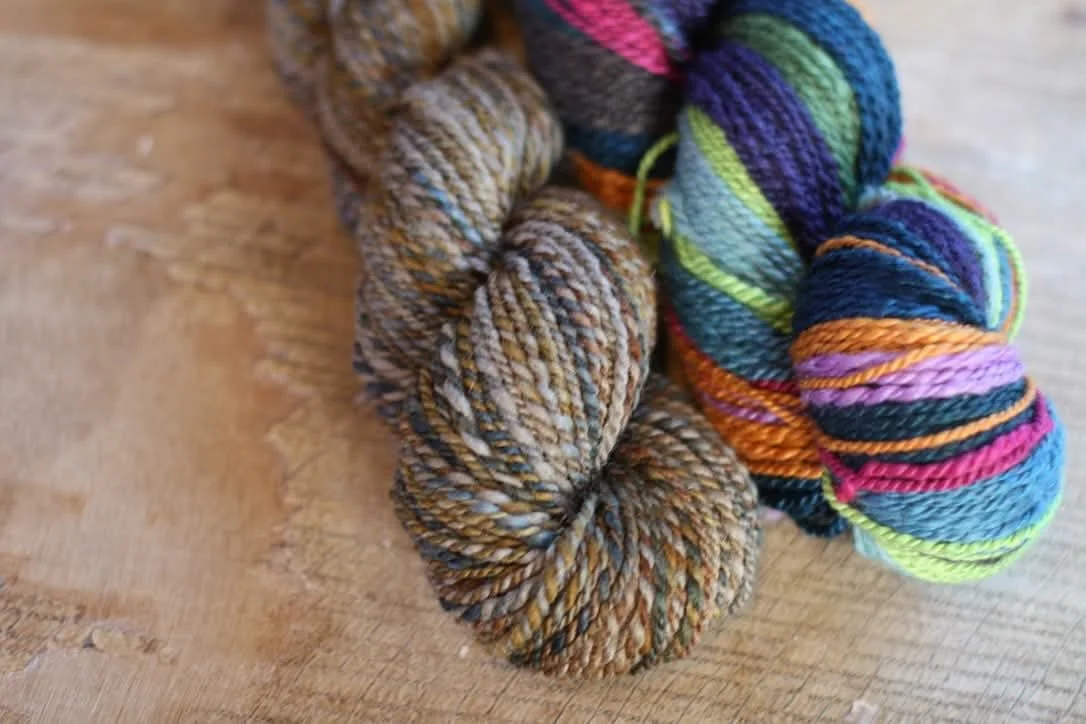
So now I have a pile of naturally dyed skeins with which to play! I dyed three different wools - a quite fine laceweight, one that is perhaps fingering weight, and a partial cone of 100% Shetland wool that is a little thicker than the one and a little thinner than the other. I'm anticipating cowls on a warp or two this winter and I'm quite tempted to put some on a tapestry loom as well.
I'm looking forward to next year's dyepots!
*Mordanting is a process of treating wool (and/or other protien fibers) to prepare it to take color from naturally found sources (plants, fungi, etc). It is an archaic word that happen to adore. One of the most common mordants, and one of the safest, is alum which is a mineral salt. I was unhappy with one of the dyebaths that I ended up experimenting with. I took those skeins and overdyed them. Some I re-mordanted and some I did not. The difference was quite striking! The skeins that had been re-mordanted for the second dyebath took the color so very much better.
**Chaga is a wild fungus that can be found growing on birch trees which has medicinal effects in both an infusion and/or decoction (water extraction) and a tincture (alcohol extract).
Riverwalking


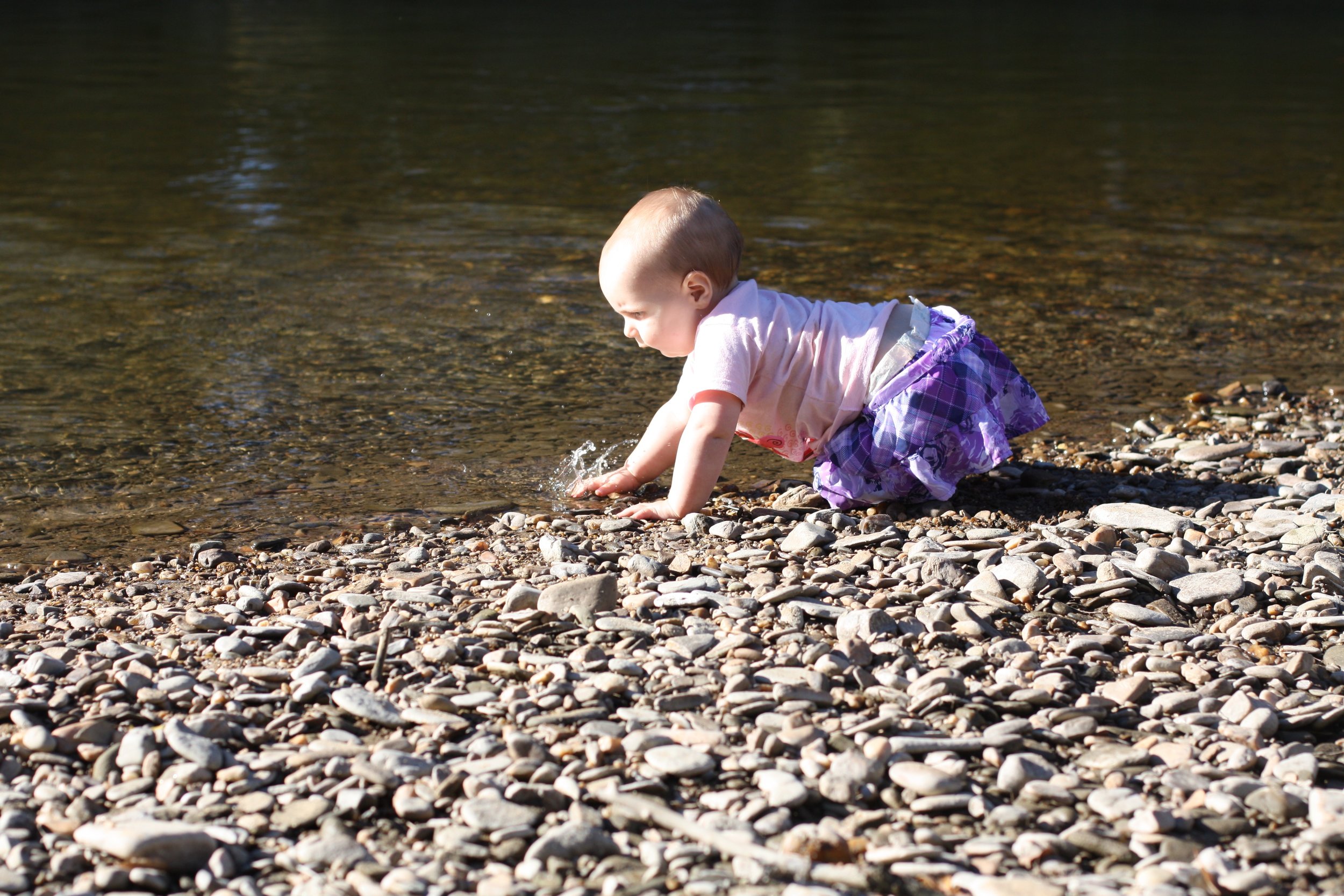
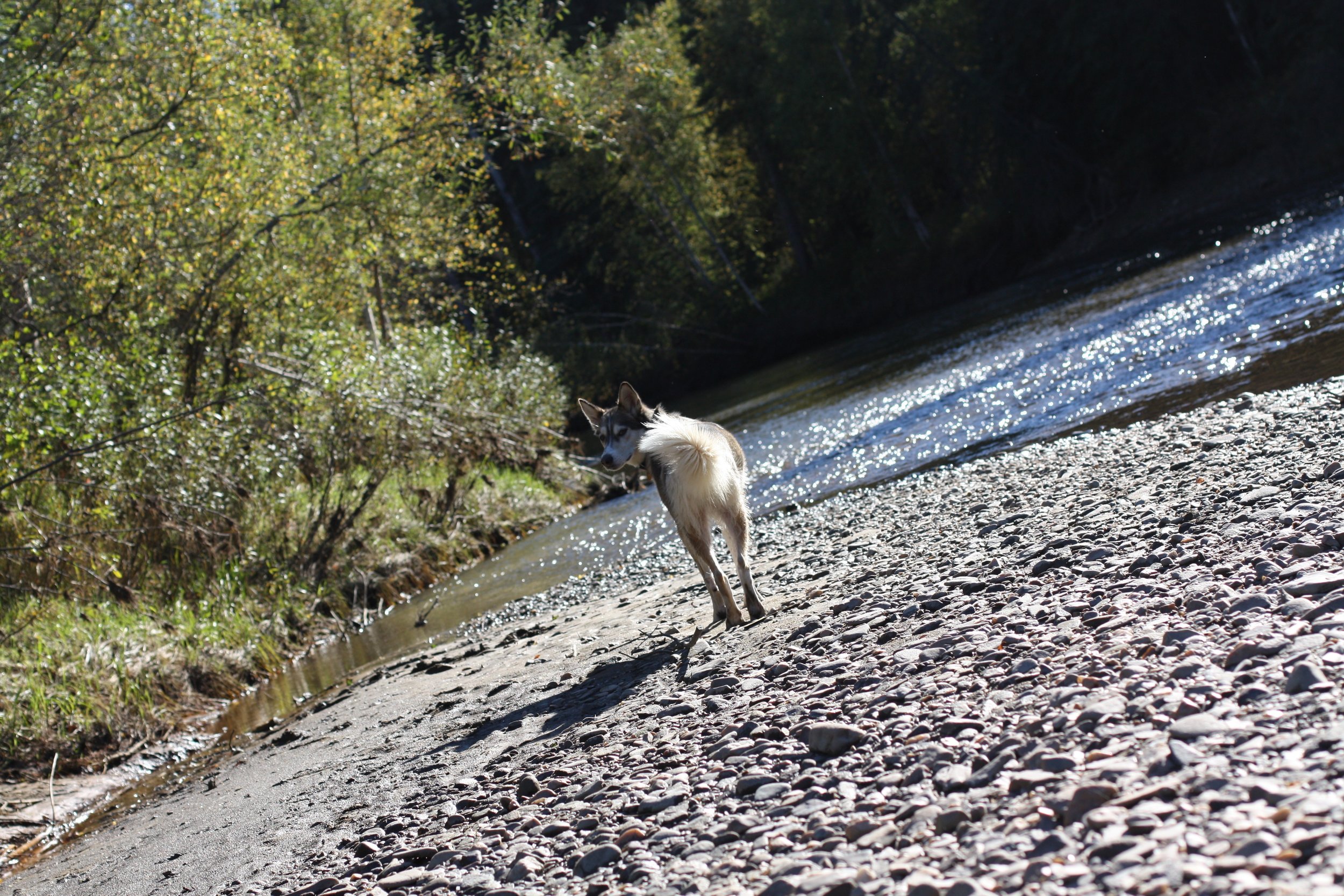


There's a river that winds through the woods. It is a friendly river. It does not have the majesty and sheer awe inspiring beautiful power of the Tanana. Its the kind of river to wade in. To swim in, to float a canoe, to sit on the bank and angle for grayling to dip in cornmeal and fry for supper.
It's a river for childhood.